
Your Auction. Your Bidders. Your Roadmap.
The auction industry is consolidating around a handful of marketplaces. The more interconnected those platforms become, the easier it is for an auction house to slide from being the destination buyers remember to being one more seller inside someone else’s ecosystem. There is another path: build equity in your own brand, not dependency on a marketplace. Bidpath is the independent, auction-built alternative that keeps the bidder relationship, the data, the vendor choices, and the roadmap in your hands.

See What Owning Your Bidders Looks Like →
A short conversation — no migration, no commitment.
Key takeaways
- It’s an ownership question, not a software question. Every sale run through a marketplace-anchored stack builds someone else’s brand with your bidders — not yours.
- Leaving a marketplace doesn’t mean losing your bidders. Flints Auctions now sees 65% of buyer transactions on their own platform after moving to an end-to-end Bidpath setup.
- A re-platforming you don’t control is a roadmap you don’t own. With an independent, auction-built platform, the team and roadmap you choose today are the ones you keep.
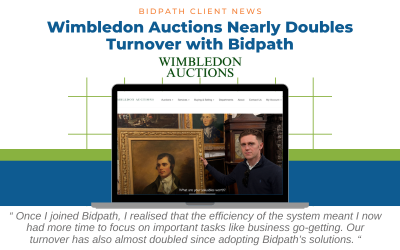
- Migration is the part houses fear most — and rate highest after. Wimbledon Auctions called the move straightforward and stress-free, and nearly doubled turnover.
- You don’t have to leave the marketplace to start. Begin with Back Office or Live Bidding and keep listing where you list today — your own platform just becomes home base.
Who actually owns your bidders?
Bidding is the visible part of an auction. Much of what builds trust — and whether bidders come back — happens around it: how the catalog is presented, whose interface drives the bidding, whose receipt confirms the win, and whose name the bidder remembers next time they’re looking for the kind of lot you specialize in.
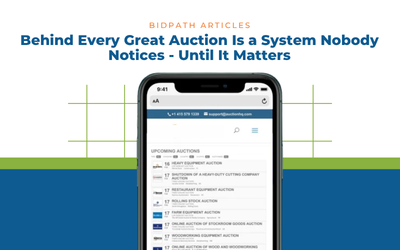
When a bidder only ever finds your sale on someone else’s marketplace, the answers to all of those questions point away from you. Over time, bidder loyalty shifts from the auction house to the platform, and the most valuable asset in the business — the direct relationship with buyers — quietly becomes someone else’s. We explored the same theme from a different angle in Behind Every Great Auction Is a System Nobody Notices.
“The most valuable bidder is the one who comes back directly to you.”
Does leaving a marketplace mean losing your bidders?
This is the objection we hear most: “We can’t afford to lose marketplace traffic.” It feels true, but it mistakes a channel for a strategy. Owning your bidders creates more long-term value than renting marketplace traffic — in retention, marketing effectiveness, data ownership, and the value of the business itself.
Your house
Your brand wraps the catalog. Your experience drives the bidding. The bidder remembers you, the data is yours, and every registration and transaction builds enterprise value in your own business.
A marketplace only
Their brand wraps your sale and their interface owns the moment of the win. The bidder remembers them, the relationship and the data sit with the platform, and your growth deepens your dependency on it.
It isn’t an either/or choice. You can keep listing on the marketplaces you use today — the difference is that your own platform stays home base, and the bidder data and brand stay with you. Build equity in your own brand, not dependency on a marketplace.
Musick Auction — a family-run business and the largest-volume auctioneer in Idaho, selling everything from vehicles and firearms to household goods — moved off a marketplace-style provider to a private-label platform so the bidder relationship and the brand stayed theirs.
“We wanted all of our advertising dollars to promote our auctions — not be diluted by sharing customers with other auctioneers who may be using that same software.”
Josh & Jessica Sharp — Co-Founders & Owners, Musick Auction
The result wasn’t lost bidders — it was a more direct relationship with them. Every advertising dollar now builds Musick’s own audience, and they run 3–4 auctions a week on a platform that’s unmistakably theirs. The numbers from other houses tell the same story:
When Flints Auctions moved to one auction-built platform, they didn’t lose their bidders — they brought the relationship home, with the numbers to show for it.
What about the migration — and auction day?
The two biggest hesitations about moving are the switch itself and what happens on auction day if something goes wrong. They were also the parts Wimbledon Auctions worried about most before switching — and the parts that ended up giving them the most confidence in the move.
“I worried about adding extra stress to my already large workload. The reality was the total opposite. The onboarding was straightforward and stress-free — they had everything sorted within a few months, and after a few training sessions I was good to go.”
“On auction day — often the most stressful day of the month — Bidpath are always there to help. I feel confident knowing we have the best support available.”
Wimbledon Auctions — nearly doubled turnover after switching
A re-platforming you don’t control is a reminder that your business currently runs on someone else’s roadmap. With Bidpath, the switch is a proven playbook — and the team and roadmap you choose today are the ones you keep. The switch is easier than staying put.
Map What a Move Looks Like for Your House →
What are you actually choosing with Bidpath?
Auction technology investment cycles are long. The platform you choose now shapes your operation for years — not just the next sale. With Bidpath, you’re choosing:
✓ No mandated services. You choose your own shipping, payments, marketing, and integration partners — not a group capital-allocation framework.
✓ Ownership of the bidder relationship. Your bidder data, your branding, your direct line to your buyers — not a tile on someone else’s marketplace.
✓ A stable team and roadmap. The Bidpath team you talk to today will be there in 12 months — no restructure, no leadership transition, no shareholder pressure to monetize a marketplace.
✓ Active product investment. Web CMS, AIM cataloging, Live Bidding, and Back Office — built and maintained by an auction-technology company, at predictable economics.
✓ Flexible entry. Start with Back Office or Live Bidding if a full migration is too much, then expand to end-to-end on your timeline, not ours.
No mandates. No middle layer. No surprises. Built for the long game, not the next earnings call.
Questions auction houses are asking
What does it mean to “own your bidders”?
Owning your bidders means the registration, the transaction record, and the marketing relationship live in your own platform under your own brand — not inside a third-party marketplace. That direct relationship is what drives repeat business, marketing effectiveness, and the long-term value of the auction house.
If we move off a marketplace, won’t we lose our bidder traffic?
This is the most common worry, and it mistakes a channel for a strategy. Auction houses that move to their own platform consistently keep their bidders and build a more valuable, defensible business. Flints Auctions now sees 65% of buyer transactions on their own platform, with 90% of buyers arriving through their own website.
Do we have to leave the marketplaces we use today?
No. Bidpath supports third-party marketplace integrations, so you can keep listing where you list today. The difference is that your own platform becomes home base — the operational core and the primary bidder destination — while the bidder data and brand stay with you.
Is migrating off our current platform disruptive?
Migration is the part most houses worry about most and rate highest afterward. Onboarding is hands-on and led by a team with real auction-industry experience. Wimbledon Auctions described the process as straightforward and stress-free, with everything sorted within a few months and a few training sessions.
What makes Bidpath different from a marketplace platform?
Bidpath is built around auction houses, not adapted from a general-purpose marketplace. Your brand wraps the catalog, your interface drives the bidding, and the bidder relationship stays with you — rather than being anchored to a platform that places its own name first. It’s an independent, auction-built company with no shareholder pressure to monetize a marketplace.
Do we have to switch everything at once?
No. Back Office or Live Bidding can be a lower-friction entry point, with end-to-end coverage layered on as you grow. You move on your timeline, not a vendor’s.
Own your bidders. Own your data. Own your future.
If marketplace dependency is on your mind this quarter, let’s compare notes. We have discovery conversations open this week and next — no migration, no commitment.
Read More






🚀 Ready to Elevate Your Auction Tech?
Bidpath is helping auctioneers worldwide modernize operations with customizable, reliable software. Contact our team to discuss your needs, or explore our auction solutions. For more insights and news, visit our blog or follow us on LinkedIn.